

When choosing websites for link building, it’s easy to get interested in a platform with strong SEO metrics and a surprisingly low placement price. High DR, decent traffic, and a price that fits the budget. Looks like a good deal, right?
But there’s one detail I always recommend checking before making a decision: who actually owns and controls the publication?
Take platforms like ceo.ca, newsbreak.com, and discover.hubpages.com. They have good SEO metrics and may look like attractive options for link building. However, publishing a traditional guest post through an agreement with the editorial team is not always possible on these websites.
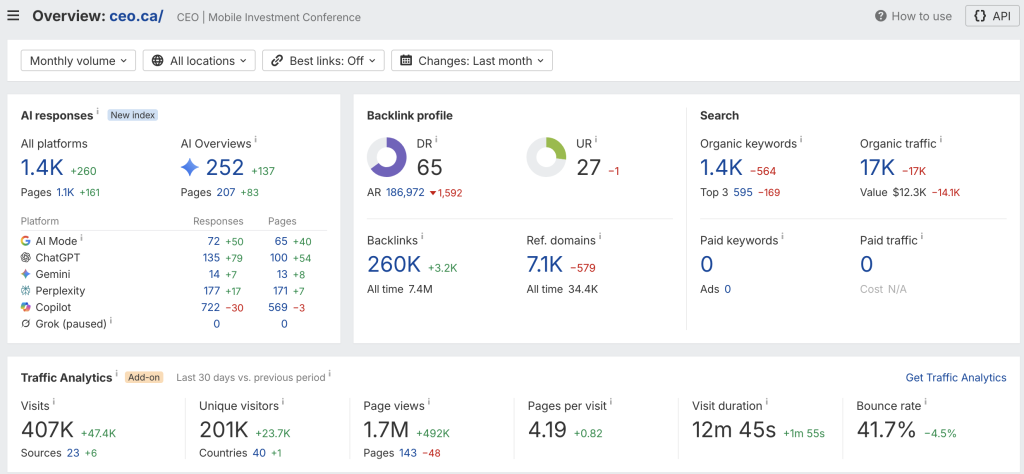
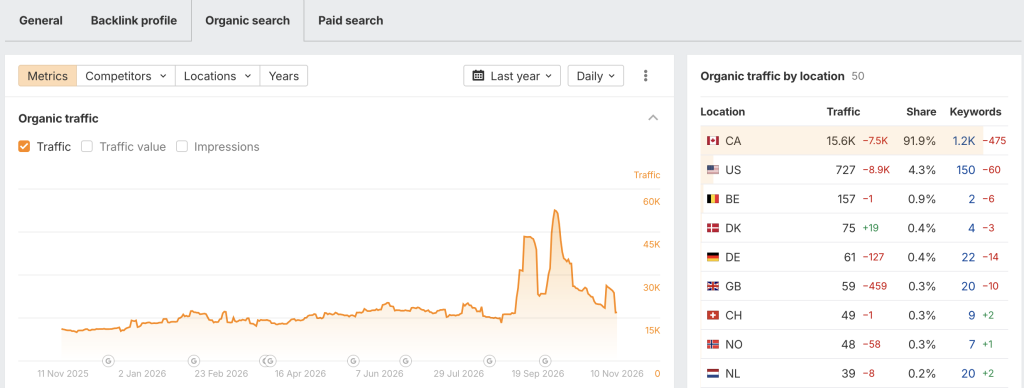
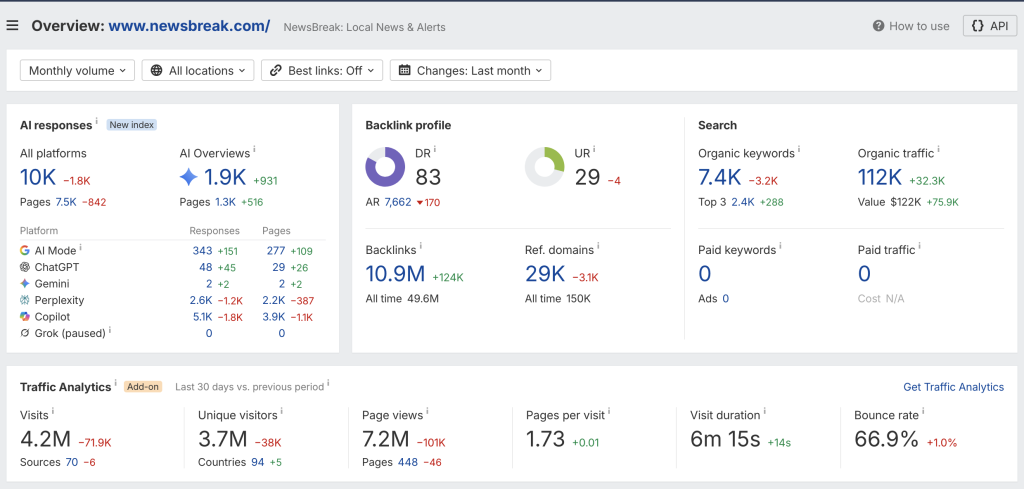
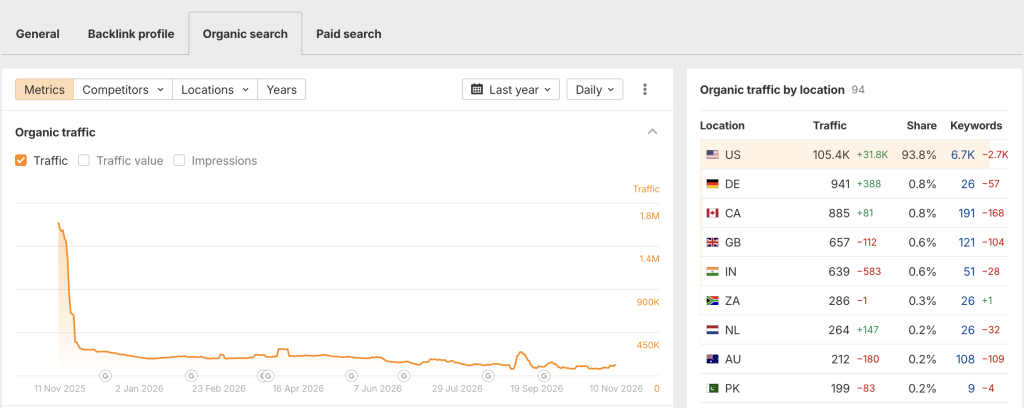
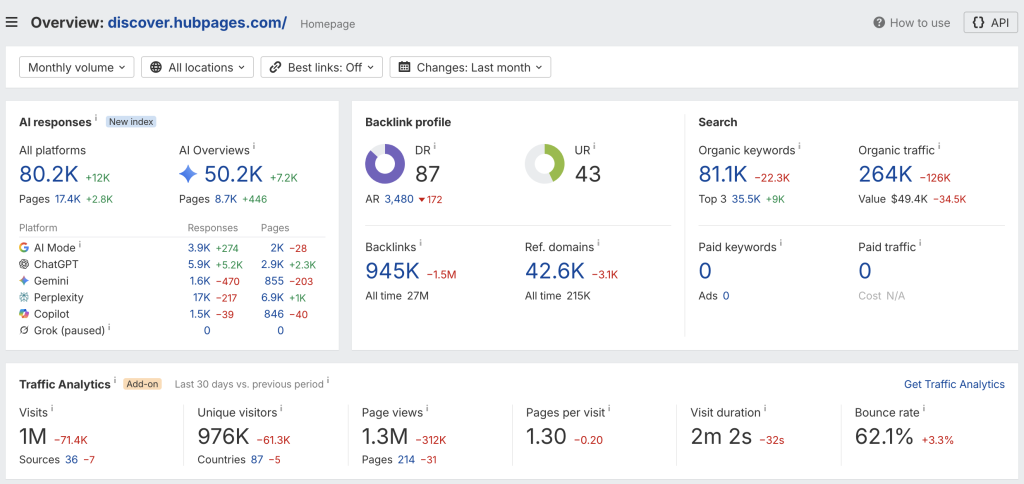
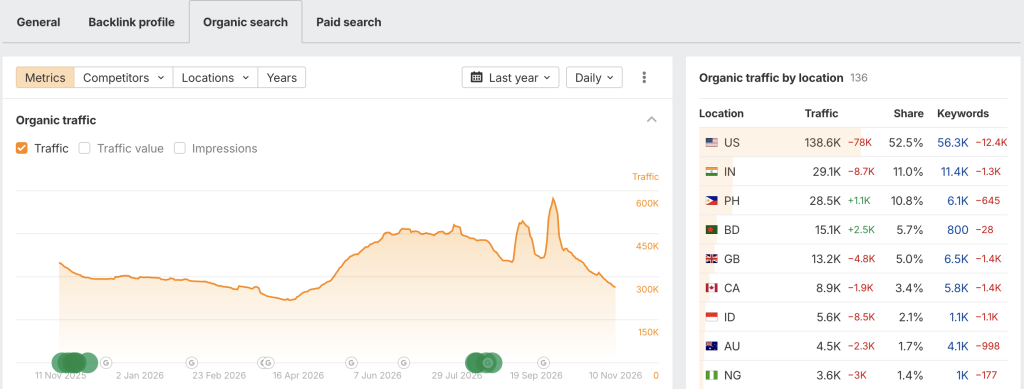
Instead, they allow users to submit and publish their own content. This is where things get a little more complicated.
Some link-building providers use registered author accounts on these platforms to publish articles and then sell these placements as regular guest posts. In other words, you’re not necessarily buying a placement directly from the website or its editorial team. You’re buying access to a publication made through someone else’s account.
You can often spot this format by looking at the URL structure. For example:
domain.com/@username/article-title
This doesn’t automatically make the placement bad. The article can still be published on an authoritative domain, indexed by Google, and contain the dofollow link you need. From an SEO perspective, it may even work perfectly well.
So, where’s the catch?
The main issue is that the person selling you the placement doesn’t own the website and has no administrative control over the platform. They simply have a registered account that allows them to publish content.
This creates several risks worth keeping in mind:
- No full control over the publication. The provider may be able to publish the article, but they cannot guarantee that the platform will keep it online or allow future edits.
- The article can be removed. The platform’s administration can delete content if it violates its publishing rules. Some platforms may also remove older publications after a certain period, for example, after one year.
- The link may be impossible to restore. If the article gets deleted, the person who sold you the placement may have no way to bring it back. They don’t control the platform, so they cannot simply restore the publication or guarantee that the same URL will become available again.
And this is probably the most important point: if you buy a placement through a third party, you should understand that you’re relying on their account and the platform’s publishing rules, not on a direct agreement with the website.
I’m not saying these placements should be avoided altogether. They can have SEO value, and in some cases, they may be a reasonable option. The problem starts when they’re presented as regular editorial guest posts without explaining how they actually work.
What would I check before buying one?
First, I’d clarify whether the placement is arranged directly with the website’s editorial team or published through a registered user account. I’d also check the provider’s reputation and ask what happens if the article gets removed.
Does the provider offer a replacement? Is there any compensation? And, most importantly, are these guarantees actually included in the deal?
A website with excellent SEO metrics and a low price can still be a good opportunity. Just make sure you know what kind of placement you’re paying for and what risks come with it.